Your Prescription Bag and That CBD Bottle: What to Sort Out Before You Mix Them
Let's start with a boring but important fact: CBD is a chemical, not a vibe. It doesn't know that you're taking it for sleep, stress, or a creaky knee. It just gets processed by your body — and sometimes that processing overlaps with the way your prescription medicines are handled.
That doesn't mean CBD and pills are a match made in A&E. It means the conversation is worth having before you start, not after something feels off.
Why this isn't just internet worry
Most of the useful information about CBD and medicines comes from pharmacology, not from a bloke on a forum who says he was 'fine'. CBD can affect certain liver enzymes — particularly the CYP450 family — which help break down a lot of common prescription drugs. If those enzymes slow down, a medicine can hang around longer than expected. If they speed up, the opposite can happen.
There's also the practical stuff: drowsiness stacking on drowsiness, blood pressure shifts, or changes in how well a medicine works. None of that is guaranteed, and plenty of people use CBD without a problem. But 'plenty of people' isn't a prescription.
The medicines that deserve a second look
You'll see lists online, and they're not all nonsense. Blood thinners such as warfarin are a classic example, because small changes in how the drug is processed can matter. Some antidepressants — SSRIs and others — are worth discussing because CBD can add to certain effects, including drowsiness or changes in mood. Epilepsy medicines are another area where people should be talking to their specialist, not a search engine. Medicines for blood pressure, diabetes, and even some over-the-counter painkillers can be part of the conversation too.
Notice the wording: part of the conversation. Not a ban. Not a horror story. Your GP or pharmacist knows your full list, your doses, and your history. An article doesn't.
Prescription CBD is a different animal
In the UK, licensed CBD medicine is prescribed for specific conditions and comes with proper monitoring. Over-the-counter CBD is a food supplement, not a medicine. That doesn't make it useless or dangerous by default, but it does mean nobody has checked it against your prescriptions. The responsibility sits with you and your clinician.
What to ask your pharmacist (actually ask)
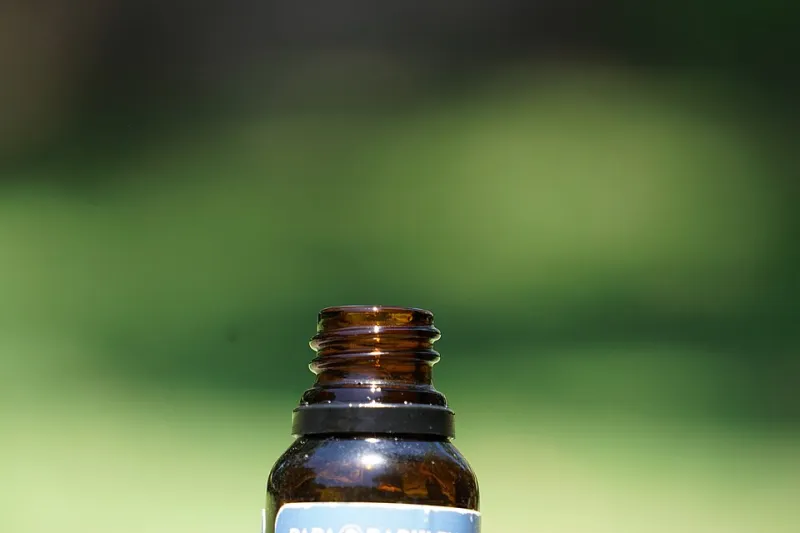
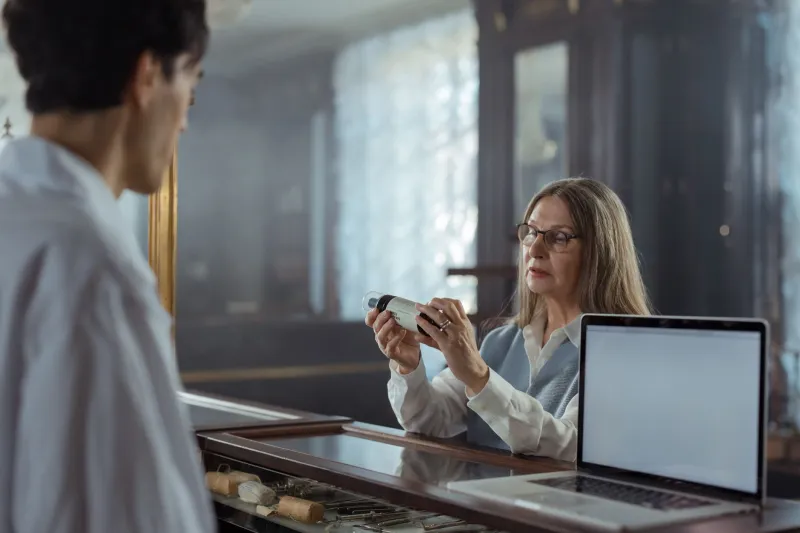
A UK pharmacy is a free, underused resource for this. You can walk in and ask for a medicines check, or book a chat. Bring the actual product — bottle, box, label, batch number — not a vague memory of 'some oil from a shop'.
Good questions include:
- Does CBD interact with any medicine on my list?
- Are there warning signs I should watch for with this specific combination?
- Should I take CBD at a different time from my prescription?
- Is it safe to try a low dose while I'm on this medicine?
- Do I need a blood test or monitoring if I start?
- What should I do if I miss a dose of my prescription?
You can also ask about the product itself: how much CBD is in a dose, whether it contains THC, and whether the label matches a certificate of analysis. In 2026, that last bit is basic adulting, not paranoia.
Red flags that mean pick up the phone
Stop and get advice if you notice unusual bruising or bleeding, a new level of drowsiness, dizziness when standing, a racing heart, nausea that won't settle, or a change in your mood that feels out of character. If you have a condition that needs monitoring — think warfarin and your INR — don't wait for your next routine appointment if something feels wrong.
And please don't stop a prescribed medicine because of something you read. That's the opposite of responsible use. You can also report suspected side effects to the MHRA's Yellow Card scheme.
The anecdote trap
Internet stories are tempting because they're personal and specific. 'My mate's auntie took CBD with her tablets and was fine' is not evidence. Neither is a dramatic post about a terrible reaction. Both are single data points from strangers with unknown doses, products, and health histories.
Use anecdotes to start a question, not to end one. 'I saw someone online say...' is a perfectly good way to open a conversation with a pharmacist. It's a terrible way to make a medical decision.
A sensible way to start
If you're CBD-curious and on prescription medication, the grown-up order is: check the label, talk to a pharmacist or GP, start low, keep a note of what you take and when, and give it a few weeks before deciding anything. Keep your prescription routine steady. Don't add three new supplements in the same week and then blame the CBD for a rash.
This isn't medical advice, and it isn't a list of forbidden combinations. It's a nudge to use the free, qualified humans in the NHS system before you use a checkout button.
The bottom line
CBD might be sold in shops that look like spas, but it's still a substance with real pharmacology. Your prescription medicines deserve more than a quick Google. Ask the question, bring the bottle, and keep your GP in the loop. That's not dramatic. It's just sensible.