Kris Kringle With Care: Gifting CBD at Christmas Without Turning It Into a Lecture
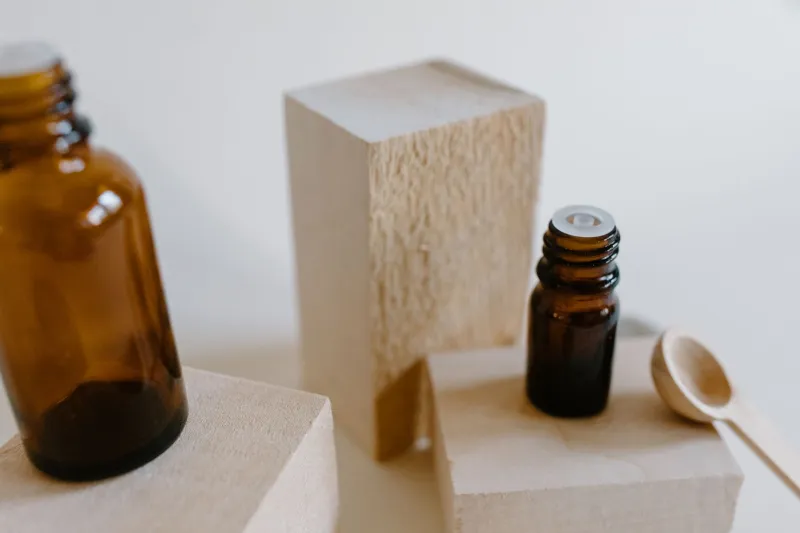
There's a particular moment in December when the office Secret Santa draw happens, the £15 limit gets agreed, and someone ends up with the name of the colleague who once mentioned, in passing, that they'd tried CBD for their shoulder. The panic is understandable. A little brown bottle looks like a proper present. It photographs well. It feels a bit more considered than another novelty mug.
Then the doubt sets in. Is it legal? Is it safe? Do you hand it over with a printed leaflet and a stern look, or just smile and hope for the best?
The answer, as with most things, sits somewhere in the middle. Give it thoughtfully, keep the note short, and do a bit of homework before you spend the money.
The bit nobody wants to read: what makes a CBD product presentable
In the UK, CBD extracts fall under the novel food rules, which means the product should sit on — or at least be openly connected to — the Food Standards Agency's public list of authorised products. You don't need to memorise the register, but a retailer that can point you to its application, or that shows up on the list, is starting from a better place than one that doesn't.
Then there's THC. Quality hemp products sold legally in the UK should be effectively THC-free, and reputable brands tend to state a limit — commonly no more than 1mg per container — and publish a lab certificate to back it up. If the website is all soft-focus leaves and no numbers, put it down.
Three things worth checking before you buy:
- Strength and serving size. A 5% oil and a 30% oil are very different gifts. The high-strength bottle isn't more generous, it's more commitment, more money, and less room for the recipient to work out what suits them.
- The carrier oil and flavour. Some people dislike the earthy taste of a full-spectrum oil. A mild-flavoured option, or capsules, is a safer bet for a first-timer.
- Batch information. A batch number and a date on the label are a sign the brand is paying attention. Vague packaging with no batch code is not.
The thirty-second recipient check
The single most useful question isn't about the product at all. It's whether the person on the receiving end has actually expressed an interest in CBD. A vague "my sister said it was good" is not the same as the person themselves saying they'd like to try it.
Beyond that, a few quick filters:
Age. CBD products are sold to adults, 18 and over. If your Secret Santa is a 17-year-old apprentice, that's a hard no — and the same applies to any gift that might end up in a teenager's hands at home.
Pregnancy and breastfeeding. The official advice is to avoid CBD. Don't put someone in the position of having to explain that at the Christmas lunch table.
Medication. CBD can interact with several prescription medicines, including some blood thinners and epilepsy treatments. You don't need to know the recipient's medical history — you just need to accept that you probably don't.
The job. Safety-critical roles, and workplaces with drug testing policies, make CBD a more complicated gift than it first appears.
If any of those are unclear, pick something else. There is no shortage of good presents.
Choose a format that doesn't require homework
An oil with a dropper is the classic entry point, but it's also the format that asks the most of a newcomer: how much, when, how long under the tongue. For a gift, that's a lot of admin to hand someone on the 19th of December.
A balm or topical is the lowest-pressure option. It's easy to understand, hard to get wrong, and it doesn't require the recipient to think about dosing on Christmas Eve. Capsules suit people who like precision and dislike the taste. A small, mid-strength oil — somewhere in the 5–10% range — is a reasonable middle ground, particularly when it comes with clear labelling.
What I'd avoid as a gift: anything described as "extra strong", anything sold with a dozen free samples you'll then have to explain, and anything that arrives in packaging making health claims on the front.
The note inside the box
Here's where most people overcorrect. A short handwritten card is lovely. A four-page safety briefing tucked under the ribbon is not.
Aim for three or four lines along these lines:
Start low and go slowly — a few drops, not a dropperful. Keep it out of reach of kids and pets. Store it somewhere cool and dark. It's a supplement, not a medicine, so if anything feels off, stop and have a word with a pharmacist.
That's it. Friendly, practical, non-preachy. It gives them what they need without suggesting you think they can't be trusted with a bottle.
What not to write on the tag
Don't write "for your anxiety". Don't write "helps you sleep". Don't write "this will sort your back out". Beyond the fact that CBD products aren't authorised to make those claims in the UK, it turns a present into a diagnosis. If the brand's own packaging is plastered with similar promises, that's your cue to buy from someone else.
When CBD is simply the wrong gift
Sometimes the thoughtful choice is a different one. If the recipient is under 18, pregnant, breastfeeding, managing a health condition with regular medication, or has a history that makes substance-related gifts unwise, leave it. If their employer tests for cannabinoids, leave it. If they've never mentioned CBD and you're not sure they'd welcome it, leave it.
This isn't a moral judgement about CBD. It's just that a gift should make someone's day easier, not add a decision to it.
One last thing: the gift receipt
Check the returns policy before you buy, and slip the receipt or order confirmation in the box. CBD isn't cheap, and the recipient may genuinely prefer the money or a different strength. A retailer with a clear, published returns process is worth paying slightly more for — and it means nobody has to have an awkward conversation in January.
The short version
Check the novel food listing and the THC limit. Buy a modest strength from a brand that publishes lab results. Pick a format that doesn't demand homework. Write four friendly lines, not a leaflet. Make no health claims. Skip it entirely if age, pregnancy, medication or work makes it complicated. And keep the receipt.
Do that, and the handover at the Christmas do takes about eight seconds. Which is exactly how long it should take.