Thirty Bottles Later: A 2026 Reality Check on UK High Street CBD
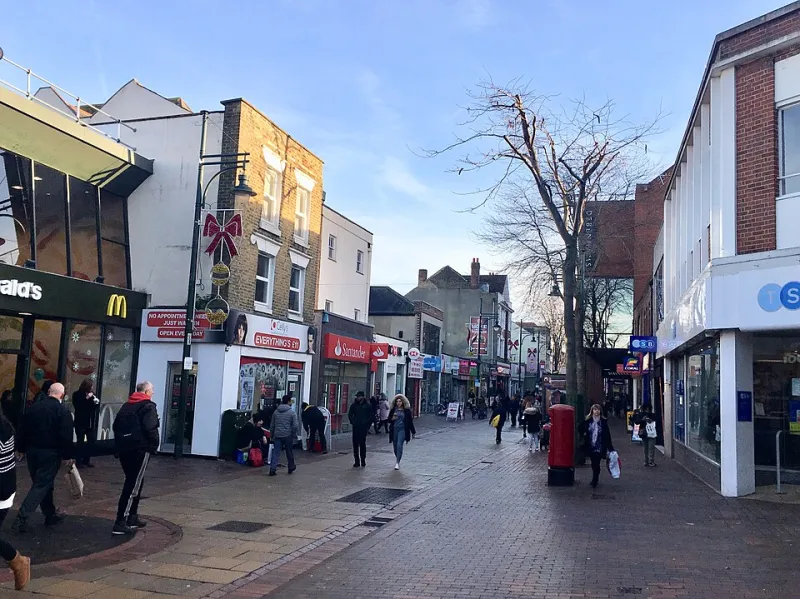
Photo: Chris Whippet , CC BY-SA 2.0, via Wikimedia Commons
High street CBD has grown up – mostly. In October 2026 we bought 30 products from UK shops and trusted online retailers: 14 oils, 8 edibles and 8 topicals. We compared labels, batch certificates, price per milligram, dosing clarity and compliance signals. We didn't run a full HPLC re-test in a lab, but we did ask brands for paperwork and checked the Food Standards Agency's novel food list. Here's the honest snapshot.
How we chose the 30
We focused on products a normal shopper could find without a specialist prescription: own-brand oils from big health retailers, niche UK brands stocked in independents, and a few online shops with clear batch codes. We avoided anything making medical claims or looking obviously non-compliant. Price range: £8 for a small topical to £75 for a high-strength oil.
The scorecard
We looked at:
- Label accuracy: Does the stated CBD content match the batch certificate? Is the serving size clear?
- Novel food status: Is the product or brand on the FSA list, or at least transparent about its application?
- THC trace: Does the COA show a cannabinoid profile, including THC?
- Value: Cost per 10mg CBD for oils and edibles; cost per 100mg for topicals.
- Clarity: dosage instructions, age warnings, contact details, batch number.
- Claims: no 'cures anxiety' nonsense.
What impressed us
The best products had a QR code or web page for the batch COA, clear mg per ml, and a sensible starting dose. Several high street oils now print 'not for under-18s' and 'consult your GP if taking medication' on the box. That should be standard, but it isn't universal.
We also saw better carrier oil labelling. MCT is common, but some brands use hemp seed oil and say so. For value, mid-strength oils (around 500–1,000mg per bottle) were usually the sweet spot. Very low-strength oils looked cheap until you worked out the cost per mg.
Where the high street still slips
Label accuracy was the big issue. A few products listed 'hemp extract' without a clear CBD milligram figure. One edible pack gave a serving size that didn't match the number of pieces in the bag. Another oil's website COA didn't match the batch code on the bottle. These aren't necessarily dangerous, but they're not good enough for a product people put under their tongue.
Novel food compliance was patchy. Some brands clearly stated their status; others ignored the question. If a company can't tell you whether its product is on the FSA list, that's a buying signal – and not a positive one.
THC paperwork was another gap. Many COAs showed trace THC, which is expected, but a handful of brands claimed 'THC-free' with no lab evidence. In the UK, trace THC is the realistic position; absolute zero is a big claim.
Oils: the best and worst value
Oils are still the best value per milligram. Our 14 oils ranged from about £0.05 to £0.18 per 10mg CBD. The cheapest per mg wasn't always the best: one budget bottle had a vague label and no COA. The mid-priced UK brands with published lab reports were the safer bet.
Full-spectrum vs isolate? Full-spectrum products often had more detailed cannabinoid profiles, but they also need clearer THC trace documentation. Isolates were simpler but not automatically better. Neither is a magic switch.
Edibles: convenient, but check the maths
The eight edibles included gummies and a chocolate bar. Price per 10mg was usually higher than oils, and dosing accuracy varied. One pack's pieces were uneven, which makes accurate dosing hard. If you're using edibles, weigh the whole pack and divide by the stated total, or choose a product with scored pieces.
Also watch sugar and calories. A 'wellness' gummy can still be a sweet.
Topicals: local, not systemic
The topicals – balms, creams and a roll-on – were the hardest to compare. CBD topicals are generally for local use, not to get CBD into your bloodstream. Look for clear CBD mg, a sensible base, and no medical claims. A few products blurred the line between cosmetics and medicines, which is a regulatory no-no.
Red flags we saw
- No batch number or COA anywhere
- 'Cures anxiety' or 'treats depression' claims
- Very high mg claims at suspiciously low prices
- No age warning
- Vague 'hemp extract' with no CBD mg
- THC-free claims without lab proof
- Pushy subscription traps online
Our verdict
The 2026 UK high street CBD market is better than it was a few years ago, but it's still a mixed bag. The best buys were transparent, mid-priced oils from brands that publish batch COAs and respect the novel food rules. If you want a simple rule: don't buy anything that won't show you the paperwork. Start low, check the FSA list, and speak to a pharmacist if you take prescription medicines.
We're not naming a single winner because batches change and stock moves. Use the scorecard above, ask questions, and treat CBD as a supplement – not a cure.