After the Disposables: A Grown-Up’s Guide to CBD Vapes in the UK
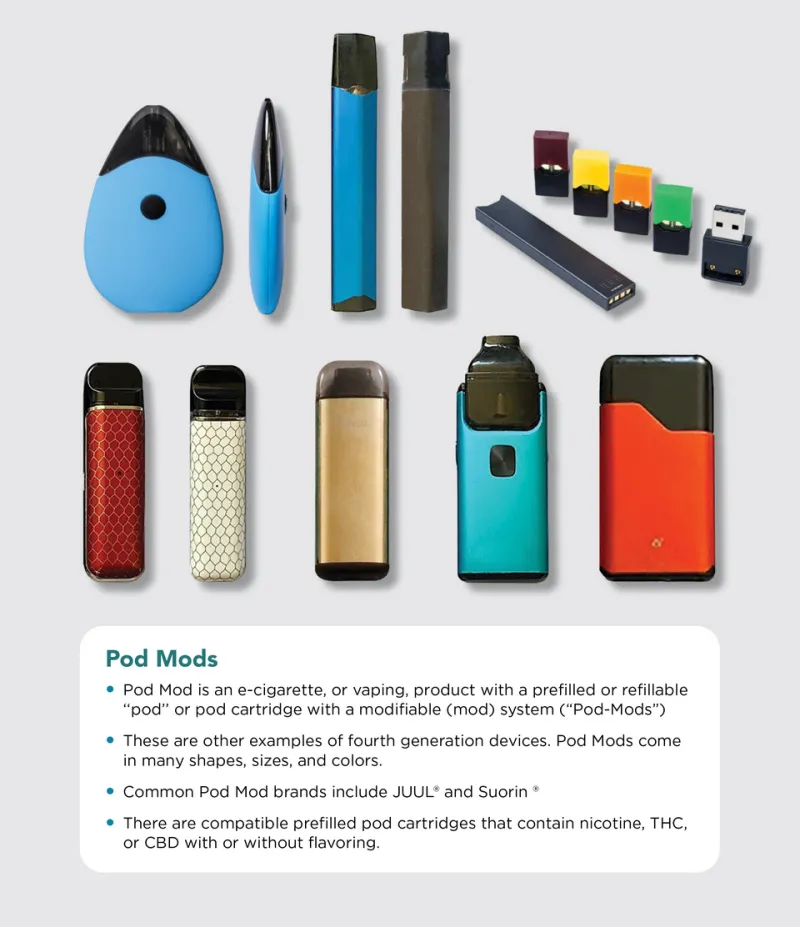
Photo: Centers for Disease Control and Prevention, Public domain, via Wikimedia Commons
Walk into a convenience shop in 2026 and the vape corner looks different. The bright rows of single-use nicotine bars have largely gone, pushed out by the UK’s disposable vape rules that came into force in June 2025. But look closer and you’ll often find a smaller, quieter cluster of CBD vapes — cartridges, pods, sometimes a refillable pen — sitting in the space the disposables left behind. That’s the grey cartridge: not nicotine, not quite ordinary retail either, and not always well explained.
This isn’t a recommendation to vape CBD. It’s a guide to asking better questions if you’re curious, and to spotting the difference between a product that has been thought through and one that has simply filled a gap on the shelf.
The ban didn’t ban CBD vapes — but it didn’t bless them either
The single-use nicotine vape ban was aimed at nicotine products: the colourful, pocket-sized bars that were easy for under-18s to buy and awkward to dispose of. CBD vapes are regulated differently. They are not nicotine vapes, and they are not medicines unless they have been licensed as such — which, for the vast majority of CBD vape products in the UK, they have not.
That creates a middle ground. CBD vapes can be sold legally in the UK provided they meet general product safety and consumer protection rules, but they are not approved by the MHRA to treat anything. You won’t find a credible CBD vape making claims about anxiety, pain or sleep. If one does, treat that as a warning sign, not a feature.
CBD ingestibles also sit within the Novel Food rules, which is a separate conversation. Vapes are not food. That doesn’t mean they are unregulated; it means the rulebook is different, patchier and easier for a sloppy seller to blur. In practice, the burden falls on you to check what you’re inhaling.
What a credible lab report should actually show
A lab report is not a decorative PDF. For an inhaled CBD product, it should be batch-specific — meaning the numbers relate to the exact batch you are holding, not a generic sample from last year. The batch code on the report should match the batch code on the packaging. If it doesn’t, the report tells you almost nothing about your cartridge.
The report should show a cannabinoid profile: how much CBD is present, and how much THC. In the UK, CBD products are expected to contain only trace levels of THC, and reputable producers test for it. It should also cover contaminants that matter more when you inhale than when you swallow: heavy metals, residual solvents, pesticides and volatile organic compounds. Inhalation bypasses some of the body’s usual filters, so the contaminant panel deserves a harder look.
Ask yourself a simple question: could I explain this report to a friend in one minute? If the answer is no — because it’s undated, unnamed, or full of unreadable tables with no batch reference — don’t let the shop assistant’s confidence do the work for you.
Labels: the numbers, not the mood words
A useful CBD vape label is boring in the best way. It should tell you how much CBD is in the cartridge in total, and how much per millilitre. It should name the carrier liquids — usually propylene glycol and vegetable glycerine — and be honest about any added terpenes or flavourings. “Full spectrum” without numbers is a mood, not a measurement. “Premium” is a price tag with a haircut.
Watch for the label that shouts about strength but whispers about batch. A 2026 shopper should be able to find a batch code, a best-before date and a manufacturer or importer address without squinting. If the packaging looks like it was designed for a festival stall and the small print has gone missing, that’s the grey cartridge at its greyest.
Also check the device itself. Is the cartridge sealed and tamper-evident? Does the battery have safety markings? Is the coil suitable for the liquid, or is it a generic pod filled with whatever was available? These are not glamorous questions, but they are the ones that separate a considered product from a novelty.
The inhalation questions to ask before you buy
First: do you actually need to inhale? CBD comes in oils, capsules, topicals and other formats. Vaping is fast-acting for some people, but it is not a neutral habit, and it is not a stop-smoking tool. If you are using it to replace nicotine, speak to a professional service instead of improvising with a CBD cartridge.
Second: how much, and how often? Inhaled CBD is easy to overdo because the effect arrives quickly. Start with a small puff and wait. Chain-vaping a high-strength cartridge because the label looked impressive is not a responsible-use strategy.
Third: what else is in your body’s mix? CBD can interact with some prescription medicines, including certain blood thinners and epilepsy drugs. If you take regular medication, have a word with a pharmacist or GP before adding a vape to the routine. And if you are pregnant, breastfeeding or under 18, CBD vapes are not for you.
Finally: where does the device go when you’re done? The disposable ban was partly an environmental story. A CBD cartridge that ends up in a bin bag is not an improvement. Check whether the seller or local council offers a route for vape waste, and don’t treat the grey cartridge as a free pass on disposal.
The calm version
The end of disposable nicotine vapes didn’t create a tidy new category. It created a gap, and CBD vapes have drifted into it. Some are made by people who test properly, label clearly and sell responsibly. Others are riding the confusion.
In 2026, the sensible move is not to treat CBD vapes as forbidden or as a shortcut. Treat them as an inhalation product that deserves the same scrutiny as anything else you breathe in: a batch-matched lab report, a label with numbers, a device that feels safe in the hand, and an honest answer to why you’re using it. If the shop can’t help you with those four things, the grey cartridge can stay on the shelf.