A Friend, a Migraine and a Bottle of CBD: How to Reply Without Playing Doctor

Photo: John Knight, CC BY 2.0, via Wikimedia Commons
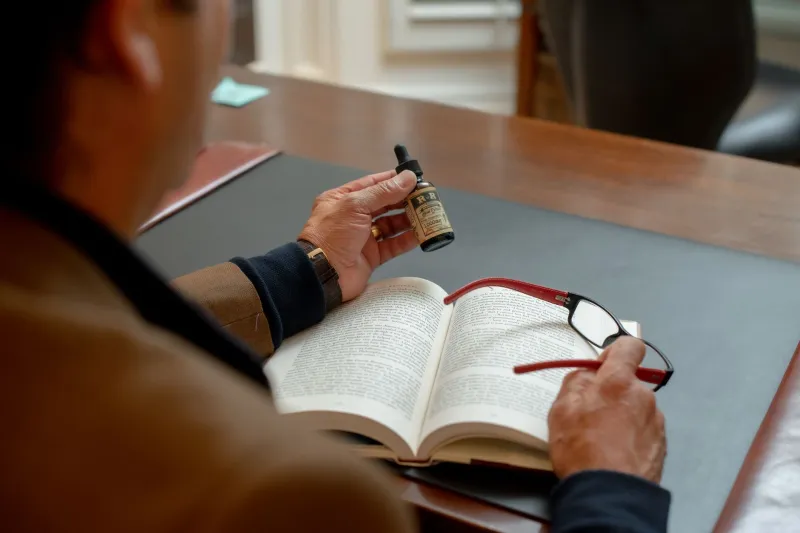
We have all been there. You are halfway through a group chat about weekend plans when someone drops in the familiar line: 'Honestly, CBD sorted my migraines. You should try it.' They mean well. They probably are not trying to sell you anything. And if they have found something that helps them, that is genuinely good news.
But recommending a CBD product for migraine is not quite the same as recommending a podcast or a decent chippy. Migraine is a proper neurological condition, CBD products in the UK are not licensed medicines for it, and your friend's experience — however real — is one person's story. So how do you reply without either nodding along to something you do not believe or turning into a human warning label?
Start by separating the story from the science
Anecdotes are powerful because they are human. If your friend says their attacks became less frequent after they started taking CBD, that is worth listening to. It is also worth remembering that migraine can be unpredictable. People often change several things at once: sleep, caffeine, diet, stress, hormones, weather, medication. CBD might have helped. Something else might have helped. Or the timing might simply have lined up.
That does not make your friend a liar. It just means a single experience is not the same as clinical evidence. In the UK, CBD products are generally sold as food supplements rather than medicines. They are not authorised to treat, prevent or cure migraine. The evidence around CBD and migraine is limited and mixed, and migraine care usually involves looking at triggers, lifestyle and prescribed treatments together. So the honest position is: it might help some people feel better, but it is not a known migraine cure.
Ask what 'CBD' actually meant
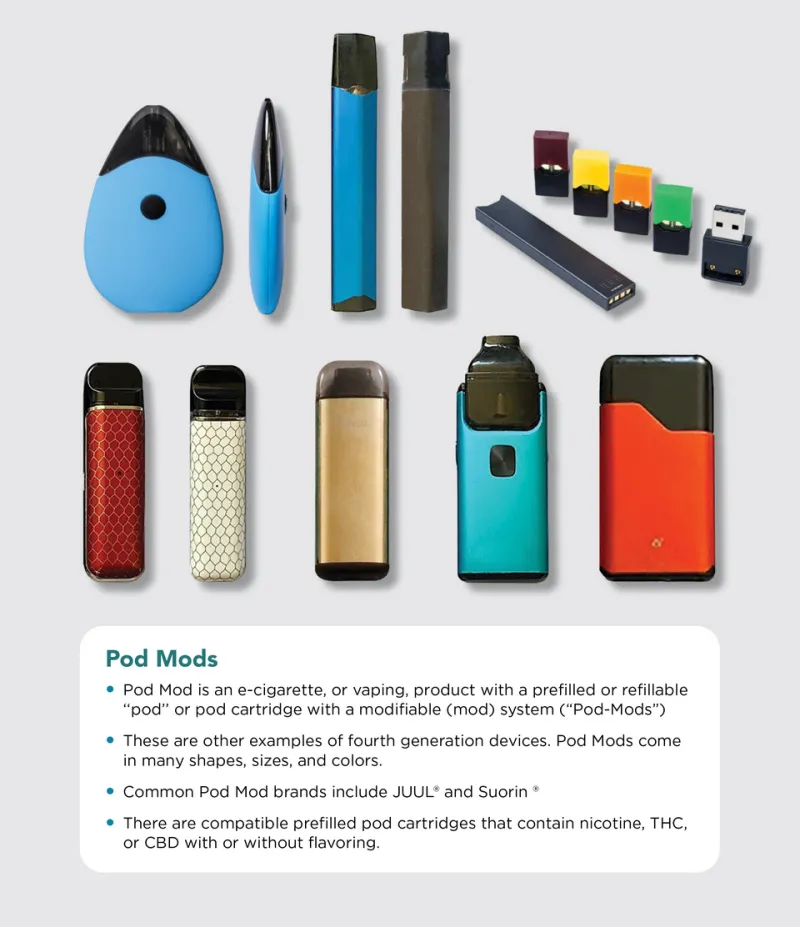
'CBD' has become a very stretchy word. It can mean an oil, a vape, a gummy, a capsule, a balm or something in a brightly coloured tin. It can be full-spectrum, broad-spectrum or isolate. It can contain different amounts of CBD, different carrier oils and trace amounts of other cannabinoids, including THC.
If you are curious, ask a few practical questions rather than challenging them outright:
- What product was it, and what was the strength in milligrams per millilitre?
- How much did they take, and how often?
- How long did they take it before noticing a change?
- Did they check the batch lab report?
- Was it a UK novel food registered product?
These are not trick questions. They are the same questions you would ask about any supplement. They also help you spot whether your friend is talking about a carefully chosen product or a random bottle from a market stall with a label that promises the earth.
The dose question is not nosy
Dose matters. 'A few drops' can mean almost nothing or quite a lot, depending on the bottle. If your friend is enthusiastic, it is reasonable to ask what strength they used and whether they started low. UK responsible-use advice usually encourages starting with a small amount, keeping a simple record of what you take and how you feel, and not escalating quickly because the first week did not change your life.
It is also fair to ask whether they are taking any prescribed medicines. CBD can interact with some drugs because of the way it is processed by the liver. That does not mean it is dangerous for everyone, but it does mean a pharmacist is a sensible person to speak to, especially if someone is on epilepsy medication, blood thinners, antidepressants or anything with a narrow safety margin. This is not scaremongering. It is just basic drug-interaction housekeeping.
Spot the moment a claim needs a gentle handbrake
There is a difference between 'this helped me' and 'this will fix you'. The second one crosses into medical advice. Be wary of claims like 'you can bin your sumatriptan', 'CBD cures migraine', 'my doctor said I did not need my medication any more' or 'just take 50mg and you will be fine'.
You do not need to argue. A light response works better: 'I am really glad it helped you. I would still run it past my GP or pharmacist because of my own history.' That keeps the friendship intact and keeps the decision where it belongs — with you and a healthcare professional.
When to steer it towards a GP or pharmacist
A chat with a friend is not a consultation. If you have migraine attacks that are frequent, worsening, changing, or coming with new symptoms such as weakness, speech changes, vision loss or a sudden severe headache, that needs medical attention. The same goes for migraine in pregnancy, migraine with aura, headaches after a head injury, or attacks that are not responding to your usual prescribed treatment.
If you are already taking CBD and wondering about interactions, a high street pharmacist can be a good first stop. They can look at your medicines and flag anything worth discussing. For diagnosis and treatment, your GP is the right person. NHS guidance is there for a reason, and migraine deserves proper care rather than a group-chat workaround.
A few replies you can borrow
Keep it warm, keep it short, and do not feel obliged to debate the entire evidence base over WhatsApp:
- 'That is brilliant that it helped. What strength was it? I am thinking of asking my pharmacist first because of my other meds.'
- 'I am glad you found something that works for you. I am not up for swapping prescriptions over chat, but I will read up on it.'
- 'Can you send me the lab report? I like checking batch codes before I buy anything.'
- 'I appreciate the tip. I am going to talk to my GP because my attacks have changed a bit.'
What responsible use looks like from your side
If you do decide to try CBD, treat it like a supplement with questions attached. Buy from a retailer that can show batch-specific lab reports. Check the label for CBD content and any THC declaration. Start low, keep a simple symptom diary, and do not stop prescribed medication without medical advice. If you feel drowsy, dizzy or unwell, stop and speak to a professional.
None of this means CBD is a villain. It simply means it is not a magic wand, and migraine is not a condition to self-treat by group chat. Support your friend, enjoy the fact that they feel better, and keep the medical decisions with the people qualified to make them.