The Price Tag Isn't the Product: A Blind Test of Budget and Premium CBD Oils
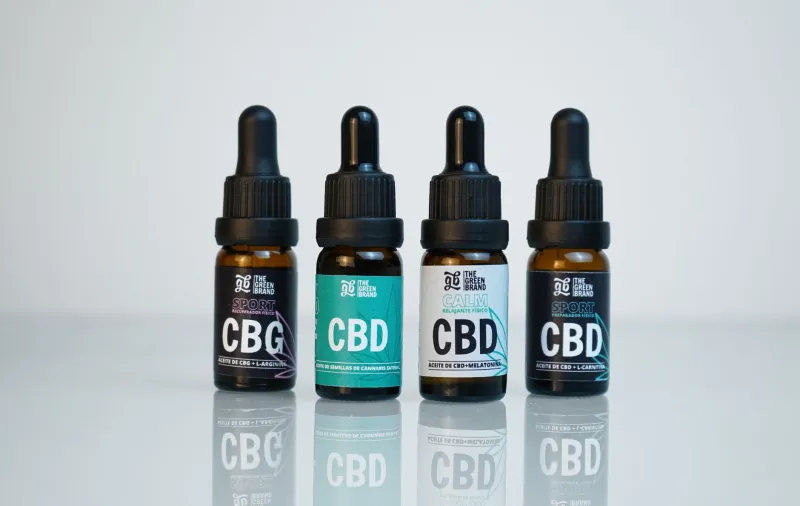
There is a quiet assumption in plenty of UK CBD shops: if a bottle costs £75, it must be doing something a £15 bottle cannot. And if it costs £15, it is probably sawdust in sunflower oil. Neither is reliably true. So for this piece we ran a small blind comparison of budget and premium UK CBD oils, judged on the things a sceptical shopper can actually check: label accuracy, cannabinoid content, carrier oil, taste and value for money.
This was an editorial test, not an accredited lab study or a clinical trial. We used batch certificates where they were available, basic consistency checks and a lot of squinting at tiny type. The aim was not to crown a winner for all time. It was to work out where your money goes when the price jumps from £15 to £75.
How the blind test worked
We gathered a small spread of UK oils at different price points, then focused on two representative bottles: one budget oil at £15 and one premium oil at £75. Labels were covered, bottles were decanted into plain glass and coded by someone who was not doing the tasting. We scored each sample on smell, taste, mouthfeel and how easy the label was to understand once revealed.
We also compared cost per milligram of CBD, checked whether the label stated CBD per bottle or per drop, and looked for batch numbers, expiry dates and certificates of analysis. If a brand made a grand claim but could not back it up with a batch document, that counted against it.
Label accuracy: where the money sometimes goes
The £75 bottle had the nicer box. It also had the clearer label. The serving size was obvious, the total CBD content was stated per bottle and per drop, and the batch number matched a certificate that was easy to find online. That is genuinely worth something. A premium price should buy clarity, not just calligraphy.
The £15 bottle was not a disaster, but it was vague. It shouted about being 'premium strength' without saying what that meant in milligrams. The CBD figure was there, but only after a fair bit of hunting. Once we found the batch certificate, the numbers were broadly sensible. So the cheap option was not careless — it was just doing a poor job of explaining itself.
That matters because UK shoppers are asked to compare products that use different measurements. Some labels give CBD per bottle. Some give it per 10ml. Some give it per drop, which is only useful if you know how big a drop is. A premium brand that makes this easy is offering real value. A budget brand that hides the basics is making you work for it.
Cannabinoid content: milligrams, not marketing
This is where the price gap gets interesting. The £15 oil contained 500mg of CBD in a 10ml bottle. That works out at about 3p per milligram. The £75 oil contained 1,000mg, which works out at roughly 7.5p per milligram. On raw cannabinoid content, the budget bottle was not three times worse. It was simply a different size and strength.
That does not mean the premium oil was a rip-off. It may have used a broader spectrum extract, more rigorous testing or a nicer carrier oil. But if you are buying CBD purely on milligrams, the expensive bottle needs to justify its price with something other than strength.
Our advice is boring but useful: ignore the word 'strong' and find the milligram figure. Then divide the price by the number of milligrams. That gives you a rough cost per mg. It is not the whole story, but it stops you paying £75 for a pretty bottle of 300mg oil when a £20 bottle down the road is clearer about what it contains.
Carrier oil and the rest of the formula
Carrier oils are one of the easiest places to spot a shortcut. MCT oil, hemp seed oil and olive oil all turn up in UK CBD products. None of them is inherently 'premium' or 'cheap'. What matters is whether the carrier suits the product and whether the label is honest about it.
Hemp seed oil is often used because it sounds wholesome, but it does not naturally contain meaningful amounts of CBD. That is fine as long as the CBD is added and declared. It becomes a problem when a label implies the carrier oil is the CBD. The premium bottle in our test used MCT and said so plainly. The budget bottle used hemp seed oil and was a bit fuzzy about the difference. Not illegal, not dangerous, just annoying.
We also looked for added flavourings, sweeteners and anything that might make a product taste better without adding anything useful. A little peppermint can make a harsh oil easier to take. A lot of sugar syrup is a different conversation.
Taste: the most honest test
Blind tasting CBD oil is not like blind tasting wine. Nobody is going to describe 'notes of blackcurrant and a lingering finish'. Mostly you are checking whether it makes you wince.
The £75 oil was smoother. It had a mild earthy taste and a cleaner finish. The £15 oil was sharper, more bitter and left a longer aftertaste. If you are sensitive to taste, the premium bottle had a real advantage. If you are mixing it into a strong coffee or a smoothie, that advantage shrinks.
Taste is personal. A hempy, grassy oil that one person finds unpleasant is exactly what another person expects. The useful question is not 'which is nicer?' but 'is the taste consistent with what the label says?' If a product claims to be unflavoured and tastes of synthetic strawberry, that is a label problem, not a taste preference.
What premium can legitimately buy
A higher price can be fair when it pays for things you cannot see. Batch testing, clear certificates of analysis, UK lab reports, organic ingredients, reliable customer service, sensible dosing guidance and proper novel food compliance all cost money. A premium brand that publishes batch results and answers a simple email about THC content is offering something real.
It can also buy consistency. If every bottle tastes the same and matches the same certificate, that is worth paying for. CBD is a plant extract, so some variation is normal, but a brand should be able to explain it rather than shrug.
What budget can get right
Cheap does not have to mean careless. A simple CBD isolate oil with a clear milligram figure, a batch number and a certificate can be perfectly adequate. It may not be the smoothest thing you have ever tasted, but if you are using it regularly and you know what you are buying, that is not a problem.
The budget bottle in our test got the basics right once we dug in. It was the presentation that let it down. That is a fixable issue, and it is one reason we would rather shop by batch document than by price tag.
The verdict
The £15 bottle was not embarrassing. The £75 bottle was nicer to take and easier to trust. But it was not three times better in any measurable way. The real split was not cheap versus premium. It was clear versus vague.
If you are shopping in 2026, start with the certificate and the milligram figure. Then look at the carrier oil, the batch number and the returns policy. Price is a clue, not a verdict. A £15 bottle with a proper COA is more convincing than a £75 bottle with a lovely box and no paperwork.