The Shelf Behind the Sticker: Making Sense of UK CBD Novel Food Rules in 2026
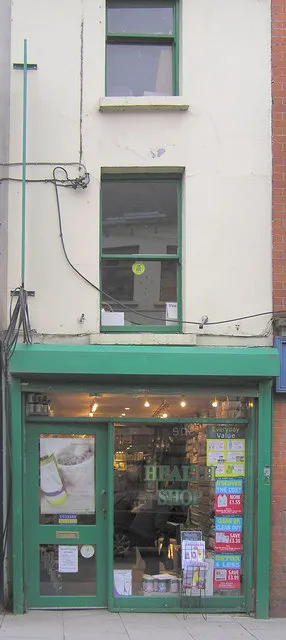
Photo: Kenneth Allen, CC BY-SA 2.0, via Wikimedia Commons
Walk into almost any UK health shop in 2026 and you will see the same scene: rows of CBD oils, gummies and balms, each with a label that suggests certainty. Behind the counter, the paperwork is messier. The UK's novel food rules are the reason. They are not designed to make shopping exciting, but they do shape what is on the shelf, what a label can claim and how much you should trust a bargain bottle.
Why CBD is treated as a novel food
'Novel food' is not a dig at trendy packaging. It means a food or ingredient that was not consumed to a significant degree in the UK before May 1997. CBD extracts used in food supplements sit in that category. Before a product can be sold legally as a food, the company behind it needs authorisation. That means safety data, production details, dose information and a regulator's sign-off.
This is why the same plant extract can be sold as a cosmetic balm with far less fuss, but a CBD oil you swallow is treated more seriously. The route to market matters. A product that is applied to the skin is not the same as one that ends up in your digestive system.
The public list is a map, not a gold star
The Food Standards Agency keeps a public list of CBD novel food applications. Being on that list is not the same as being approved. It generally means an application has been accepted for assessment, and the product may be allowed to stay on sale while the evidence is reviewed. That is a sensible holding position, but it is not a guarantee of safety or quality.
In 2026, shoppers still see a mix. Some brands have applications that have moved through stages and can talk about them clearly. Others are further back in the queue. Some are vague. The grey area is not a loophole to celebrate; it is a sign that the UK market is still maturing. A responsible retailer should be able to explain where a product sits without turning the conversation into a legal seminar.
What 'authorised' should mean to you
If a label or retailer says a product is 'novel food authorised', ask for the application reference and check it. Authorisation is specific. It covers a particular ingredient, process and dose, not every bottle that carries the same brand name. A company may have one application and several products; do not assume the whole range is covered.
This is also why two oils that look similar can be at different stages. One may use an isolate with a clear application; another may be a blend with a supplier chain that is harder to document. The difference matters because the rules are about evidence, not vibes.
A practical shelf checklist for 2026
- Check the FSA list before you buy. Search the product or brand name. If you cannot find it, ask the retailer why. 'We are waiting on paperwork' is an answer; silence is not.
- Look for batch-level paperwork. A certificate of analysis should match the batch you are buying, not just the brand. It should cover cannabinoid content and contaminants.
- Understand the dose. Look for milligrams per millilitre or per drop, not just a big number on the front. A 10ml bottle with 500mg is a different product from a 30ml bottle with 500mg.
- Check the THC statement. UK CBD products should not be marketed as a way to get high. Trace THC may be present in some full-spectrum products, so the label and batch data should be clear.
- Be wary of medical claims. A product that promises to treat anxiety, insomnia or pain is making a claim it probably cannot support. CBD is not a licensed medicine for those conditions.
- Compare value by milligrams, not bottle size. Cheap per bottle can be expensive per milligram. Expensive per bottle is not automatically better either.
- Ask the retailer a question. A good shop will know the difference between a novel food application and a cosmetic claim. A bad one will change the subject.
Safety, labelling and value are linked
Good regulation is not just red tape. It pushes companies to test for contaminants, label accurately and keep records. A product that cannot tell you its application status or batch data is a worse bet, even if the bottle looks lovely. That does not mean every expensive product is authorised or every cheap one is dodgy. It means transparency costs money, and you are allowed to ask what you are paying for.
The bottom line
Use the FSA list as a starting point, not a finish line. Ask for batch data. Treat 'authorised' as a specific claim to verify. And remember that the best purchase is the one you understand, not the one with the boldest sticker. This is general information, not legal advice, and it is no substitute for checking the current regulator guidance yourself.