Before You Buy: Tracing a CBD Batch Code to a Lab Report That Means Something
Lab reports have become a bit like loyalty cards: everyone says you should have one, few people check the details. That’s not a dig. CBD shopping in the UK in 2026 is crowded, and a shiny certificate of analysis (COA) PDF can look reassuring even when it tells you almost nothing about the bottle you’re about to buy. The batch number is the bit that turns a generic document into a specific test result.
Think of it as a paper trail. The bottle has a code. The certificate should carry the same code. If those two don’t meet, you’re not really checking the product — you’re checking a sample of something else. So before you tap ‘add to basket’ on a CBD oil, a capsule tub or a topical, here’s a calm, practical way to play batch detective.
First, find the batch code — not the barcode
A barcode identifies the product line. A batch number identifies the actual run that filled your bottle. They are not the same thing, and swapping one for the other is one of the easiest ways to end up with a useless lab report.
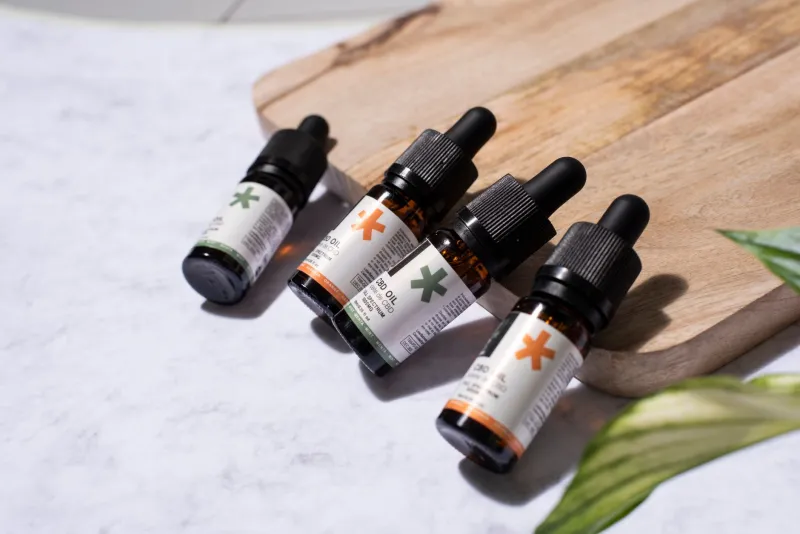
On UK CBD products, the batch code can turn up in several places: printed on the side of the label, stamped near the base, etched on the glass, or hidden on the outer cardboard box. It might be called ‘LOT’, ‘Batch’, ‘BN’ or just a short string of letters and numbers. Some brands put a QR code on the label that takes you straight to the right report. That’s helpful when it works — but scan it and check that the page it opens actually names your batch, not just the brand’s homepage.
If you’re shopping in person at a health food shop or a high street pharmacy, ask the staff if they can show you the batch code before you pay. If you’re buying online, the product page should either display the batch code or make it clear how to get the matching COA. A shop that can’t point you to a batch-specific report is giving you a vague promise, not a check.
Match the code to the certificate
Once you have the batch number, the certificate of analysis should show it clearly, along with the product name, size and ideally the format — oil, capsules, balm. The best reports are not just a logo and a green tick. They are a record of what was tested, when, by whom, and with what method.
A few practical checks:
- Does the batch code on the COA match the code on your bottle exactly? Not roughly. Exactly.
- Does the product name and strength match? A 10ml oil and a 30ml oil are not interchangeable.
- Is the report from a named laboratory, with contact details and an accreditation or method reference?
- Does the QR code or link take you to a batch-specific page, or just a generic ‘lab results’ page with no way to search?
If the answer to any of those is fuzzy, don’t panic — but do ask the brand a direct question. A decent retailer should be able to send you the right report without a lot of drama.
What the numbers actually tell you
You don’t need a chemistry degree to read a COA. You need to know what you’re looking at. The useful parts usually fall into four groups: potency, THC, contaminants and dates.
Potency
This is where the label and the lab should have a sensible conversation. If the bottle says 1000mg of CBD and the report shows a figure in the same ballpark, that’s a good start. Small differences are normal because of testing methods and batch variation. A 10% oil testing at 9.2% is not a scandal. A 10% oil testing at 4% is a question worth asking.
Also check whether the report is talking about CBD specifically or ‘total cannabinoids’. Those are not the same. A product can have a big total cannabinoid number while the CBD figure is lower. Neither is automatically bad, but the label should be clear about what it’s claiming.
THC
A useful COA should show a THC result, even if it is very low. If THC is missing entirely, that’s a gap. You don’t need to interpret the science like a lab technician, but you do want to see that the lab looked for it and reported a figure. In the UK, CBD products are not a free-for-all, and responsible brands should be willing to show their working.
Contaminants
This is the unglamorous stuff: heavy metals, pesticides, residual solvents and microbiological checks. A report that says ‘pass’ with no numbers is less helpful than one that shows the result and the limit it was measured against. You’re not expected to memorise safety thresholds. You are allowed to expect a report that doesn’t hide the detail.
Test dates
A certificate should be tied to the batch and reasonably recent. If you’re looking at a product sold in 2026 and the only report is from several years ago, ask why. That doesn’t automatically mean the product is dodgy, but it does mean the paperwork is not doing the job you need it to do. Freshness matters less for some tests than others, but the date should make sense alongside the batch.
The decorative report problem
Some lab reports are less like evidence and more like wallpaper. They look official, they have a logo, and they collapse the moment you ask a simple question. Red flags include:
- No batch number anywhere on the certificate.
- A generic COA that could apply to any product the brand sells.
- Missing pages, or results shown only as ‘pass’ with no figures.
- No lab name, no method, no date, no signature.
- A QR code that leads to a homepage or a dead link.
- A potency result that looks suspiciously perfect, with no batch variation at all.
- A product name on the report that doesn’t match the product you’re buying.
None of these prove a product is unsafe. They do suggest the report is decorative rather than useful. In a crowded UK market, that distinction matters.
A five-minute check before you buy
- Find the batch code on the bottle or box — not the barcode.
- Scan the QR code or open the lab results page.
- Match the batch code, product name and size.
- Check the potency figure against the label claim.
- Look for a THC result and contaminant results with actual numbers.
- Check the test date against the batch.
- Save a screenshot of the report, just in case the page changes.
If a brand can’t get you through those steps, consider whether you want to spend your money there. It’s not about being cynical. It’s about being a shopper who reads the small print before the bottle is in the bathroom cabinet.
The bottom line
A lab report is not a magic wand. It’s a tool, and like any tool it only works if it’s pointed at the right thing. The batch number is the thread that connects the bottle in your hand to the results on the screen. Pull that thread in 2026, and you’ll be making a more informed choice than most of the shelf.