Countdown Timers and CBD: Auditing a Black Friday Bargain in 2026
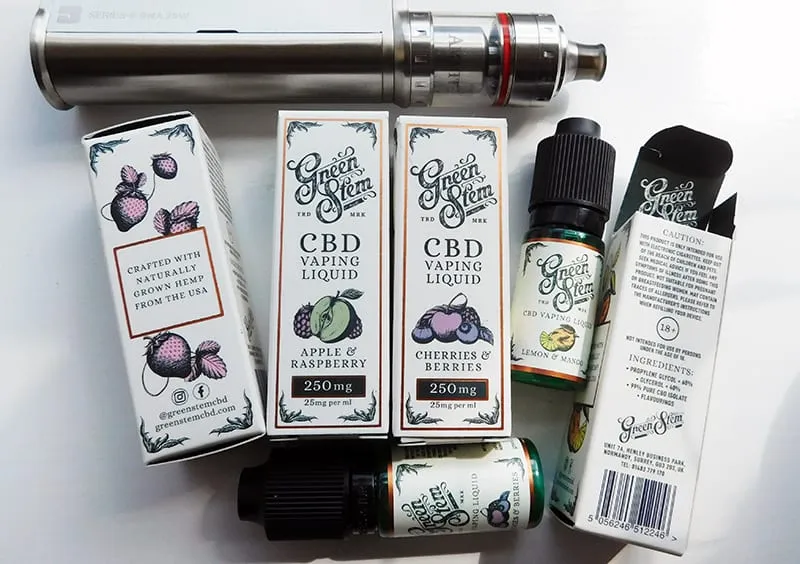
Photo: Ecig Click, CC BY-SA 2.0, via Wikimedia Commons
Black Friday lands on 27 November this year, and the CBD shelves are already getting noisy. Countdown timers, crossed-out RRPs and phrases like 'last chance' are doing a lot of emotional work. None of that tells you whether the bottle in your basket is genuinely good value, decent stock, or a dusty relic from the back of a warehouse.
At RECBD, we are not anti-discount. A sensible deal on a product you already understand can be a fine thing. The trick is to treat Black Friday like an audit, not a lottery. Here is a calm routine for working out whether a CBD bargain deserves your card details.
Start with the sticker, not the countdown
A big percentage off only means something if the original price was real. Some CBD brands have a 'was' price that appears to live permanently on the website, like a lodger who never leaves. Before you feel smug about saving 45%, ask a dull question: was anyone actually paying the higher price last month?
Check the same product on the brand's own site, a couple of reputable UK retailers and maybe an independent review. If the 'original' price is nowhere to be found, treat the discount as marketing rather than maths. That does not automatically make the deal bad. It just means you need to judge the final price on its own merits.
The maths that survives the discount
CBD products are sold in different strengths and bottle sizes, which makes headline prices slippery. A £20 bottle may look cheaper than a £45 bottle until you realise the £20 one contains 250mg of CBD and the £45 one contains 1,000mg.
The useful sum is milligrams of CBD per pound. Take the total CBD content in the bottle, divide it by the final price, and you get a rough value score. For example, 500mg for £25 is 20mg per £1. A 1,000mg bottle at £50 is also 20mg per £1, so the discount is not automatically better. If the £45 bottle contains 1,500mg, that is about 33mg per £1, which is a different conversation.
Do this after the discount, not before. Ignore free delivery for a moment, then add it back in if it changes the total. Also check the serving size and how many drops or sprays you realistically use. A huge bottle at a low price per milligram is not a bargain if it expires before you get through a third of it.
Batch codes, expiry dates and the paper trail
A proper CBD product should have a batch or lot code and a best-before date. These are not glamorous details, but they matter more than a flashing 'deal ends in 04:59' banner.
Ask yourself whether the listing shows the batch code clearly. Can you request a batch-specific certificate of analysis, or CoA, from the retailer? A CoA is a lab report showing what was tested in that batch, including cannabinoid content and, where relevant, contaminants. A generic PDF from 2024 that does not match the bottle in front of you is not much use.
Check the expiry date before you buy, especially on clearance stock. A 30% saving on a bottle you use by January is not a saving if you use five drops a month. If the retailer will not confirm the batch or best-before date before purchase, consider that a warning light rather than a red flag. It is reasonable to ask; a good seller should not treat the question as an insult.
Novel food status: what the list can and cannot tell you
In the UK, CBD extracts are treated as novel foods. The Food Standards Agency publishes information about CBD novel food applications, and shoppers can use that as a regulatory checkpoint. If a brand cannot tell you which application or authorisation covers its product, that is worth noting.
Be careful not to turn the list into a quality guarantee. Being on a novel food list is not the same as being independently proven to be the best oil on the market. It is one piece of paperwork, not a personality test. Likewise, a missing listing may mean the product should not be sold, or it may mean the retailer is hopeless at explaining its supply chain. Either way, it is a question mark. Ask the seller directly and see how clear the answer is.
Returns, seals and the unglamorous small print
CBD oil is the sort of product where returns policies get shy. Many retailers exclude opened bottles for hygiene or safety reasons, which is understandable but worth knowing before you tear the seal. Check whether the Black Friday deal is final sale, whether clearance items are excluded, and whether you would be stuck with a product that does not suit you.
Under UK consumer rules, online shoppers usually have cancellation rights, but there are exceptions for sealed goods once unsealed. Do not assume a flash sale removes your rights; equally, do not assume you can send back a half-used bottle because the flavour was not to your taste. Read the returns page before checkout, not after the first dropper.
Panic-buying traps that cost more than postage
Countdown timers work because they make a normal decision feel like an emergency. Other traps include bundle upgrades that add products you did not want, 'free' gummies that push you over a spending threshold, and subscribe-and-save options that are easy to join and annoying to cancel.
Then there is the classic shelf ornament: buying three bottles because the price per bottle looked good, then leaving two in a cupboard until they expire. A bargain you do not use is just a donation with extra steps. If you are new to CBD, buy one product, keep the receipt and see how you get on. There will be other sales. There always are.
A five-minute pre-checkout routine
Before you pay, run through this: confirm the final price including delivery; work out milligrams of CBD per £1; check the batch code and best-before date; look for a batch-specific CoA; ask about novel food status if it is not clear; read the returns policy; and remove anything from your basket that you did not plan to buy ten minutes ago.
If a deal survives that routine, it may well be worth it. If it does not, close the tab. The countdown will reset. Your bank balance will not.