The Mug and the Dropper: A Practical Guide to CBD and Caffeine in 2026
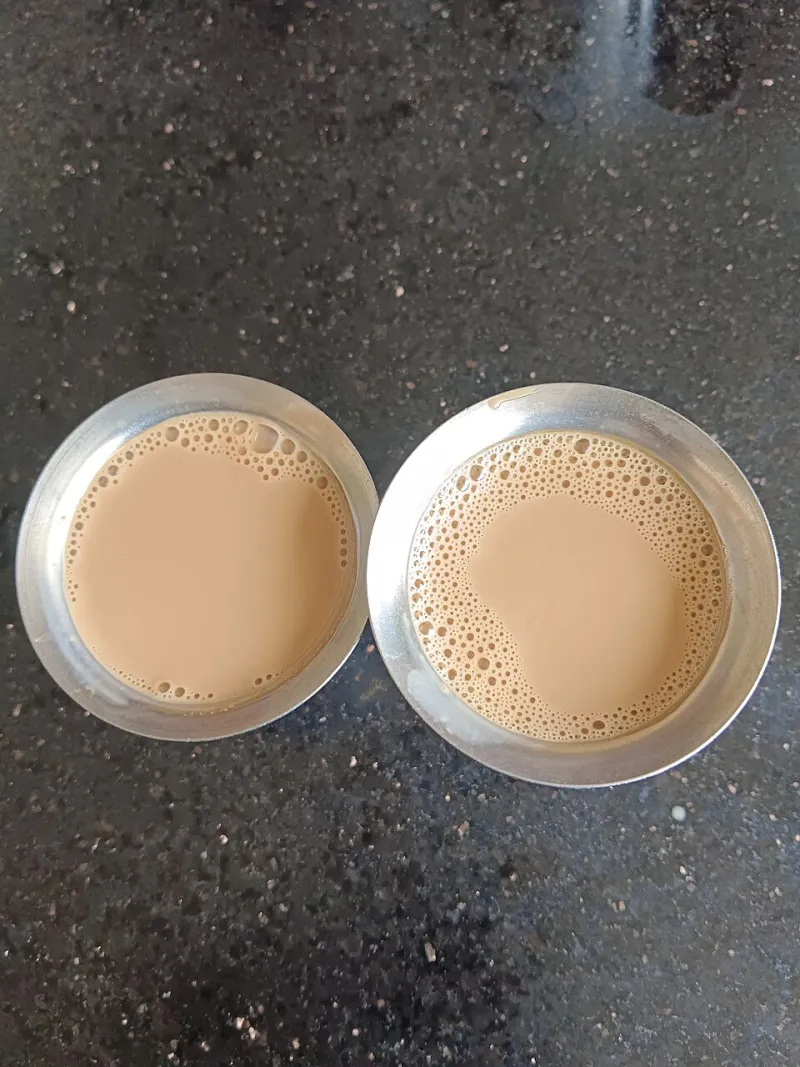
Photo: Darakshanehaluddin, CC0, via Wikimedia Commons
Coffee is not quite a personality trait in the UK, but it is close. Add in builders tea, a mid-afternoon flat white and the occasional energy drink, and many of us are running on a steady caffeine rhythm. CBD has slipped into that same routine for plenty of people, whether as oil, capsules or a drink. So the obvious question follows: what happens when the mug and the dropper meet?
The honest answer is that there is no neat rulebook. Human research looking directly at CBD and caffeine together is limited, and much of what circulates online is marketing dressed up as science. That does not mean you need to panic about having both in your day. It does mean the sensible approach is observation, timing and a bit of label literacy rather than assuming one cancels out the other.
What the evidence can and cannot tell us
Caffeine is a well-known stimulant. It can sharpen alertness for a while, and it can also leave you jittery, wired or staring at the ceiling at midnight if you overdo it. CBD is a different beast. It is not a classic stimulant, and it is not a sedative in the way people sometimes imagine. Its effects are often described as subtle, and individual responses vary.
When people ask whether CBD takes the edge off caffeine, they are usually repeating a claim they have seen in a product advert or a forum thread. There is not enough robust human evidence to say that CBD reliably smooths out caffeine jitters, improves focus alongside coffee or makes an energy drink somehow healthier. Treat those claims with a raised eyebrow.
There is also the practical issue of interaction. CBD can affect how some medicines are processed in the body, and caffeine has its own effects on heart rate and sleep. If you take prescription medication, are pregnant or breastfeeding, or have a heart condition, speak to a pharmacist or GP before adding CBD to your routine. That is not scaremongering; it is just basic housekeeping.
Timing beats stacking
One of the simplest ways to make sense of CBD and caffeine is to stop treating them as a package deal. You do not need to drop CBD into your morning coffee just because both are in the cupboard. In fact, separating them can make it much easier to tell what is doing what.
If you are new to CBD, consider starting on a day when your caffeine intake is fairly normal and predictable. Take your CBD at a consistent time, note how you feel over the next few hours, and do not change three other things at once. If you usually have a coffee at 7am, perhaps take CBD later in the morning or in the early evening, depending on why you are using it. If your aim is wind-down, pairing CBD with a double espresso is obviously a bit of an own goal.
For people who like a CBD drink, read the caffeine content before you sip. A can that sounds calming can still contain more caffeine than a strong coffee. Similarly, a CBD coffee might contain a token amount of CBD and a hefty dose of caffeine. The label should make the numbers clear, not bury them in wellness language.
Side effects worth watching
When you combine two active ingredients, you make it harder to work out which one caused a headache, a fluttery feeling or a poor night's sleep. That is not a reason to avoid both forever, but it is a reason to keep things simple at first.
Things to watch for include feeling unusually drowsy, light-headed, restless, headachy or queasy. Caffeine can bring its own cast of characters: jitters, a racing pulse, acid reflux and disrupted sleep. If you feel odd after a new combination, stop and reset. Do not keep topping up in the hope that the next cup fixes the last one.
A basic note on your phone is enough. Write down the time, what you took, how much caffeine you had and how you felt later. After a week or two, patterns often become clearer than any influencer's before-and-after post.
Read the label like you mean it
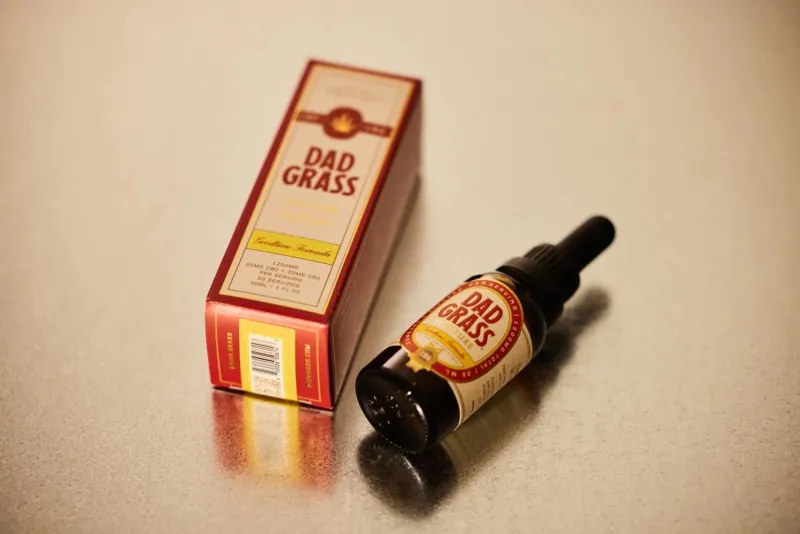
CBD labels can be slippery. Check the total CBD content, the serving size and how many drops or capsules make up that serving. A bottle that says 1,000mg means very little if you do not know how much is in each dose. Look for a batch number and a certificate of analysis if the brand provides one. In the UK, it is also worth checking whether the product appears on the Food Standards Agency's novel food list. That is not a guarantee of quality, but it is a useful starting point.
For caffeine, the variables are just as important. Tea and coffee are not standardised. A cafetière at home, a high street flat white and an energy drink can all deliver very different amounts. If a product combines CBD with caffeine, the packaging should state the caffeine content clearly. If it does not, put it back on the shelf.
A tea break is still a tea break
There is something quite sensible about the UK habit of pausing for a brew. It is a moment to stop, breathe and reset. CBD does not need to hijack that ritual, and it certainly should not be used as a replacement for sleep, food or proper medical care.
If you want to try CBD alongside your normal caffeine routine, keep the first step small. Pick a plain product with clear labelling, take it separately from your coffee or tea, and give yourself a few hours to notice how you feel. Do not chase a dramatic effect. If nothing much happens, that is useful information too.
CBD is not a caffeine fix, a hangover cure or a shortcut to calm. It is a product that deserves to be treated with a bit of common sense. The mug and the dropper can coexist, but they do not need to be best friends. Sometimes the most responsible pairing is a decent cup of tea and a clear head.