Where the Bottle Lives: A Practical CBD Safety Plan for Busy UK Households
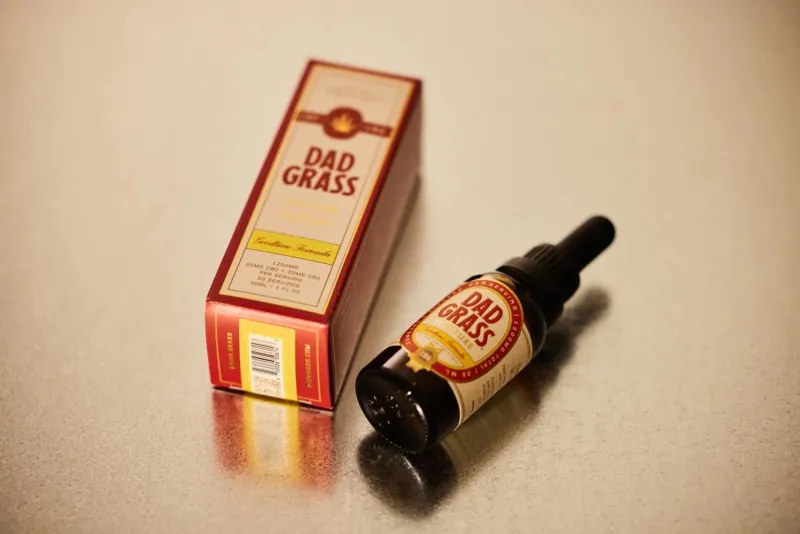
Most conversations about CBD safety begin with dose. That’s fair enough — dose matters. But in a shared home, the more useful question is often simpler: where does the bottle actually live? On the kitchen table? Next to the vitamins? In a handbag by the front door? Once you start looking, CBD products have a habit of turning up in all the wrong places.
This is not about turning your home into a controlled substance facility. It’s about a bit of common sense, a decent storage routine and a household chat that doesn’t sound like a public information film.
Start with the kitchen table, not the label
A kitchen table audit is a good place to begin because it’s where most household clutter ends up. Gather every CBD product in the house — oils, capsules, topicals, gummies, the lot. Then ask a few boring but useful questions.
Is it still in its original packaging? Does the label clearly show the CBD content, batch number and expiry date? Is the cap child-resistant and actually working? Has it been decanted into an unmarked dropper bottle because the original was bulky? If the answer to that last one is yes, stop. Decanting is how a CBD oil ends up looking exactly like something else.
Keep products in their original packaging wherever possible. The label is part of the safety kit. If a bottle is out of date, or you can’t tell what it is any more, don’t guess. Check with the brand or dispose of it sensibly.
The three-zone rule: daily, backup and out of reach
A simple storage plan works better than a perfect one nobody follows. Try dividing products into three zones.
The daily zone is the one product you’re actually using this week. Keep it capped, labelled and away from food preparation areas. The kitchen worktop beside the chopping board is not the one.
The backup zone is for sealed spares. A labelled box in a cool, dark cupboard is usually fine unless the product label says otherwise. Don’t automatically shove CBD oil in the fridge; follow the manufacturer’s instructions.
The out-of-reach zone is for anything that isn’t in daily use, plus gummies or capsules that could be mistaken for sweets. A lockable tin or box on a high shelf is good — but remember that ‘high’ means different things to a determined seven-year-old and a curious cat. Child-resistant caps are not childproof. They slow a child down; they don’t stop one.
Don’t let CBD cosplay as medicine
One of the most common household risks is confusion, not deliberate misuse. A grandparent staying for the weekend might see a dropper bottle on the bedside table and assume it’s eye drops, cough syrup or a prescription. A teenager might think a CBD capsule is a supplement. A visitor might not recognise the brand at all.
Keep CBD products well away from prescription medicines. Don’t store them in the same drawer as daily tablets, inhalers or eye drops. If someone in the house takes regular medication, it’s worth speaking to a pharmacist or GP about possible interactions before adding CBD to the mix. CBD is not a licensed medicine for general use in the UK, and it can interact with some medicines.
A simple label on the storage box — something like ‘CBD products — not for children or pets’ — is not overkill. It’s the equivalent of putting a name on a lunchbox.
Kids, pets and the curious visitor
CBD products are not recommended for children or pets unless they have been specifically prescribed and managed by a healthcare professional or vet. That means the default household rule should be: keep them out of reach, and don’t share.
Gummies deserve special attention because they look like sweets. If you buy them, treat them like you would any other product that isn’t for children: locked away, not left in a bowl, not in a handbag within reach.
If accidental ingestion happens, try not to panic. Keep the product and packaging, note roughly how much was taken and when, and call NHS 111 for advice. If someone is seriously unwell, call 999. For pets, contact your vet. Don’t induce vomiting unless a medical professional tells you to.
Dosing rituals that reduce mistakes
Most accidental overuse isn’t dramatic. It’s a tired person forgetting they already took a dose, or guessing at a dropper because the label is upstairs. A few small habits help.
Use the same time and place for your CBD routine, but not right beside food you’re preparing. Measure carefully and know what your bottle’s strength actually means — milligrams per millilitre, not just ‘a dropper’. Write the date you opened the bottle on the label. Keep a note on your phone if you’re likely to forget. Don’t share bottles with friends or family, even if they’re curious. And if you miss a dose, don’t double up to catch up.
The household chat
The best household conversation about CBD is calm and short. It isn’t a lecture about cannabinoids. It’s a practical agreement: where the bottle lives, who uses it, who shouldn’t, and what to do if someone accidentally takes some.
Explain that CBD is not the same as THC, that it isn’t a medicine licensed for general use, and that the evidence for many common claims is still limited. Be clear that it isn’t for children or pets. Ask older relatives whether they’d recognise the product if they saw it on the side. Listen if someone in the house is uncomfortable with it being around. Responsible use includes storage, not just dosage.
A five-minute monthly check
Once a month, do a quick sweep. Gather the products, check expiry dates and caps, make sure the lockable box is actually locked, and confirm that CBD hasn’t drifted back next to the paracetamol. If you have children or pets, check that your usual hiding place still works. If you’ve bought a new product, read the label before it joins the shelf.
None of this is glamorous. That’s the point. The best CBD routine is a boring one: original packaging, clear labels, a sensible storage spot and a household that knows where the bottle lives.